
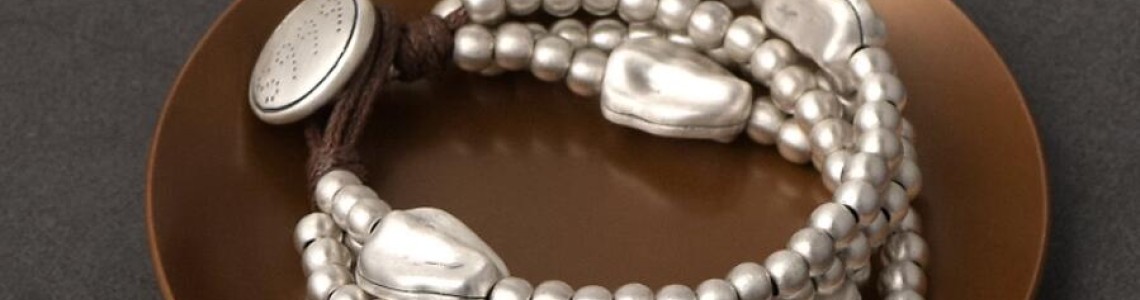
Quick answer: There is no reliable basis for treating a decorative silver bracelet as therapy for arthritis, circulation, immunity, anxiety, infection or disease. Medical products that use silver are designed and regulated for specific applications; they do not validate wellness claims for ordinary jewelry. Buy a bracelet for verified material, design and fit.
At a glance
- Decorative silver jewelry is not a medical treatment.
- Antimicrobial activity in a laboratory does not prove benefit from wearing a bracelet.
- Colloidal silver information is not evidence for jewelry—and NCCIH reports FDA safety warnings.
- Skin irritation should be addressed by removing the item and seeking appropriate advice.
- Trust precise material and care claims, not disease promises.
Why the claim sounds plausible
Silver compounds are used in some controlled medical and industrial contexts, and laboratory studies can demonstrate antimicrobial activity under particular conditions. Marketing often removes those conditions and implies that any silver object worn on skin will prevent infection or change internal health. That is an invalid leap. Dose, chemical form, contact conditions, device design and clinical evidence all matter. A decorative bracelet is not equivalent to a wound dressing or approved medical product.
Common claims that lack adequate support
Claims that a silver bracelet improves blood circulation, regulates body heat, boosts immunity, treats arthritis, balances mood, protects against viruses or ‘draws out toxins’ require competent evidence. A historical belief or personal testimonial cannot establish cause and effect. A wearer may value ritual, appearance or a reminder attached to the bracelet, but those personal meanings should be described as experience or symbolism—not physiological treatment.
Do not confuse jewelry with colloidal silver
Colloidal silver is an ingested or topical product, not a bracelet. NCCIH reports that the FDA has warned colloidal silver is not safe or effective for treating disease and notes potentially serious effects. This source is included to correct a common category error, not to suggest that wearing sterling silver creates the same exposure. The responsible conclusion is narrower: neither colloidal-silver promotion nor medical silver applications prove health benefits from decorative jewelry.
What a trustworthy silver product page should say
Look for fineness, component materials, dimensions, construction, finish, care, size and return information. It is reasonable to describe visual versatility, tactile weight and documented composition. It is not reasonable to promise treatment or prevention. If jewelry causes redness, itching, swelling or broken skin, remove it, clean the area and seek medical advice when symptoms are significant or persistent. Do not keep wearing it in order to ‘detox.’
Practical decision checklist
- Identify the exact material, finish and construction stated on the product page.
- Measure the intended wrist and follow that product's sizing convention.
- Check how water, cosmetics, friction and storage affect every component.
- Confirm quantity, delivery timing, return terms and customization limits before payment.
- Save the listing and order record, then inspect the delivered item before wear.
Continue your research
- Shop fine and sterling silver bracelets
- 925 vs 990 vs 999 silver guide
- Sterling silver bracelet care guide
- Silver bracelet and care guide hub
How to use this guide
Use this evidence guide whenever a jewelry page makes a health claim. Separate statements about material composition from claims about a medical outcome, identify the kind of study being cited and check whether the tested intervention is actually the wearable product being sold.
Frequently asked questions
Can a silver bracelet treat arthritis?
No reliable evidence supports using decorative silver jewelry as arthritis treatment.
Is silver antimicrobial?
Some silver forms show antimicrobial activity in defined uses, but that does not prove a health benefit from ordinary jewelry.
Is colloidal silver the same as sterling silver?
No. They are different products and exposures; evidence about one cannot be transferred to the other.
Why include health information on a jewelry site?
To correct older marketing claims and help shoppers distinguish verifiable product facts from medical misinformation.
Sources and editorial scope
Editorial note: Prepared and reviewed by the sunMYLOVE product content team. Material, care and consumer-information statements were checked against the sources above and the store's published product specifications. We do not invent laboratory testing, professional credentials or medical benefits. Last reviewed: July 20, 2026. This guide is educational and is not medical advice; jewelry should not replace diagnosis or treatment.
Leave a Comment